
Approach / Experience and working process
Technical experience, a personal approach
How the work connects
First, understand what you need.
What the website needs to do, who will use it and what you already have. Answering these questions helps decide how to build it and what you will need once it is published.
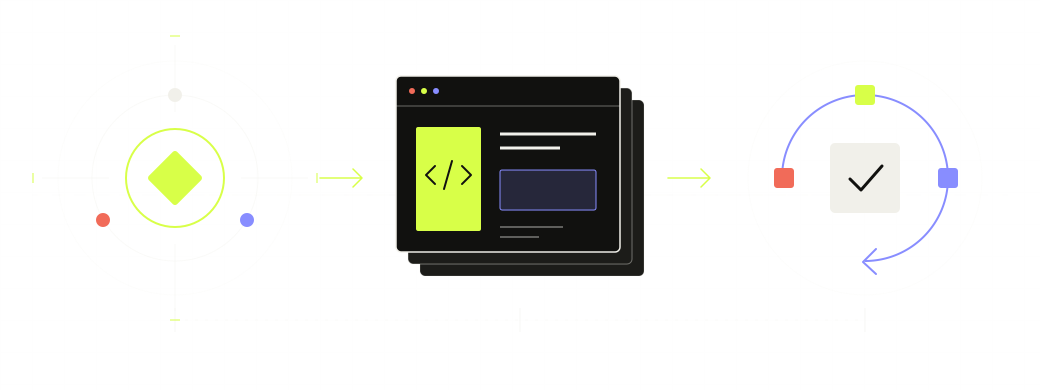
- Understand the context
- Build with purpose
- Plan for what comes next
Context
Understand the project before building
Before estimating the work, it helps to understand what you want to build, what you already have and what still needs deciding. You might have an idea, a finished design or a website that needs improvements. The first conversation helps clarify this and agree what work makes sense.
- What the website needs to do and who will use it.
- Which content, designs and integrations are available.
- Who will manage the website and what they will need to update.
Technology
Choose a foundation that fits
Technology is chosen to suit the project and how it will be managed: different CMS platforms, e-commerce platforms or custom code. For an existing website, work starts with reviewing its condition, dependencies and limitations to decide what to keep, what to improve and what needs a different approach.
Usability
Turn the design into a usable website
The client or agency provides the design or template and the content. Development turns them into an interface for mobile and desktop, with attention to navigation, forms, keyboard use and motion. We can advise on usability and visual improvements; design creation and copywriting remain with their respective owners. Technical SEO and analytics tool integration are defined within the scope.
Process
Clear communication during development
The proposal records what will be built, what each party provides and how the work will be reviewed. Progress is shared so you can see the work and discuss any questions. If a new request comes up, its effect on the scope and schedule is discussed first. Final content, access and external services are checked before launch.
- Define the scope and starting materials.
- Develop and review in agreed stages.
- Validate the delivery and coordinate the launch.
Collaboration
Collaboration that fits the project
Agency collaboration is central to the work: adding external development to an existing process, handling technical decisions and sharing progress with the people responsible for approval. Based in Madrid, work can be remote or include temporary on-site work at the agency’s or client’s premises, as agreed. The focus is on Spain, with work also covering projects abroad and direct commissions from businesses, individuals and other initiatives.
Continuity
Plan for what happens after launch
Handover can include code, access, a walkthrough or user guide, and fixes to the delivered website or tool, depending on the needs and agreement. The client or agency usually manages the domain and hosting; any exceptional involvement is agreed for that project. The proposal identifies which licences each party provides and their terms. Maintenance and later improvements can be organised as one-off work, blocks of hours or periodic maintenance.
The next project
A starting point for your project
Share what you need and what you already have. You can still get in touch if some details remain undecided.